Missing a Single Tooth? Consider a Dental Implant
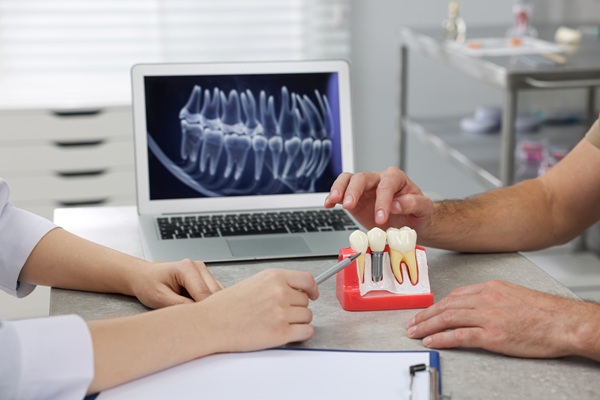
A dental implant offers a stable, natural-looking way to replace a single missing tooth while protecting the balance of the bite and long-term oral health. Just one missing tooth can impact a range of areas in the mouth, from how the teeth fit together to the underlying jawbone. That is why it is important to get a replacement sooner rather than later, as replacing the tooth early helps keep the smile more stable and much easier to maintain. Here is why a general dentist may recommend a dental implant.
Why a single missing tooth matters
A missing tooth changes the way pressure moves through the mouth during a meal. When one spot cannot share the work of chewing, other teeth take on extra stress, often leading to cracks or uneven wear. These gaps also make it harder to keep the mouth clean, as food tends to trap more easily in those shifting spaces. A dental implant helps restore this function without relying on the surrounding teeth for extra support.
Jawbone health also depends on the presence of every tooth root. Natural roots keep the bone strong by providing constant stimulation. Without that root, the bone in the empty area can slowly shrink, which eventually changes the shape of the gums and the support for nearby teeth. Using a dental implant helps keep the area healthy because it acts as a replacement root, keeping the jawbone active and strong.
How a dental implant works
The path to a new tooth usually involves a planning visit, the placement of a small post, a healing period, and the final attachment of a custom crown. During the healing phase, the jawbone grows around the new post, forming a permanent bond. This crown matches the color and shape of the surrounding teeth, blending in perfectly with the rest of the smile. Note that this process will take a few months to complete, but once the final piece is in place, the new tooth will feel and function just like a natural one.
Comparing implants and bridges
Many people compare this option to a dental bridge, which is another common way to fill a gap. A bridge works by anchoring to the teeth on either side, which usually means those healthy teeth must be ground down to hold the new crowns. Choosing a dental implant allows the neighboring teeth to stay completely untouched and natural. This independent design is often a better long-term choice for maintaining the overall strength of the mouth.
Success depends on keeping the gums around the area healthy and free of buildup. While the new tooth cannot get a cavity, the gum tissue still needs daily care to stay firm and supportive. Brushing and flossing every day helps keep the area clean and free of irritation. Regular checkups also help a professional monitor the bite and make sure the new tooth remains comfortable.
Restore your smile at Timbercrest Dental Center
Replacing a single missing tooth is about much more than just looks, as a gap can eventually change the way the entire mouth functions. A dental implant provides a dependable, standalone solution that looks great and feels remarkably strong. With the right care and a steady daily routine, this replacement can last for the rest of a person's life. To learn more or determine whether you are a candidate for dental implants, contact Timbercrest Dental Center and schedule a consultation.
Request an appointment here: https://timbercrest.dental or call Timbercrest Dental Center at (920) 442-4084 for an appointment in our Appleton office.
Check out what others are saying about our dental services on Yelp: Dental Implants in Appleton, WI.
Related Posts
Are you missing a tooth or multiple teeth? Dental implants could be the ideal solution to restore your smile and help you regain confidence. This restorative procedure is a popular and effective long-term option for replacing missing teeth. With this detailed step-by-step guide, you will learn everything you need to know about dental implants, from…
Dental crowns and dental bridges are two common dental procedures to restore damaged or missing teeth. Both procedures have unique benefits and drawbacks; choosing between them will depend on your needs and goals. This article will discuss the differences between dental crowns and dental bridges and help you understand how we choose which procedure is…
Dentures are ideal for improving your oral health and mouth function after you lose multiple teeth. They are the best teeth replacement solution for many patients because they are affordable, non-invasive, and long lasting. In this review, we discuss three important questions that you should ask your dentist before getting dentures.It helps to have as…
Dentures are a reliable solution for restoring proper oral function after tooth loss. While dental implants have gained popularity in recent years, dentures continue to be an effective treatment method for many people looking to repair their smiles. The following blog explores the pros and cons of dentures versus dental implants, highlighting why dentures are…